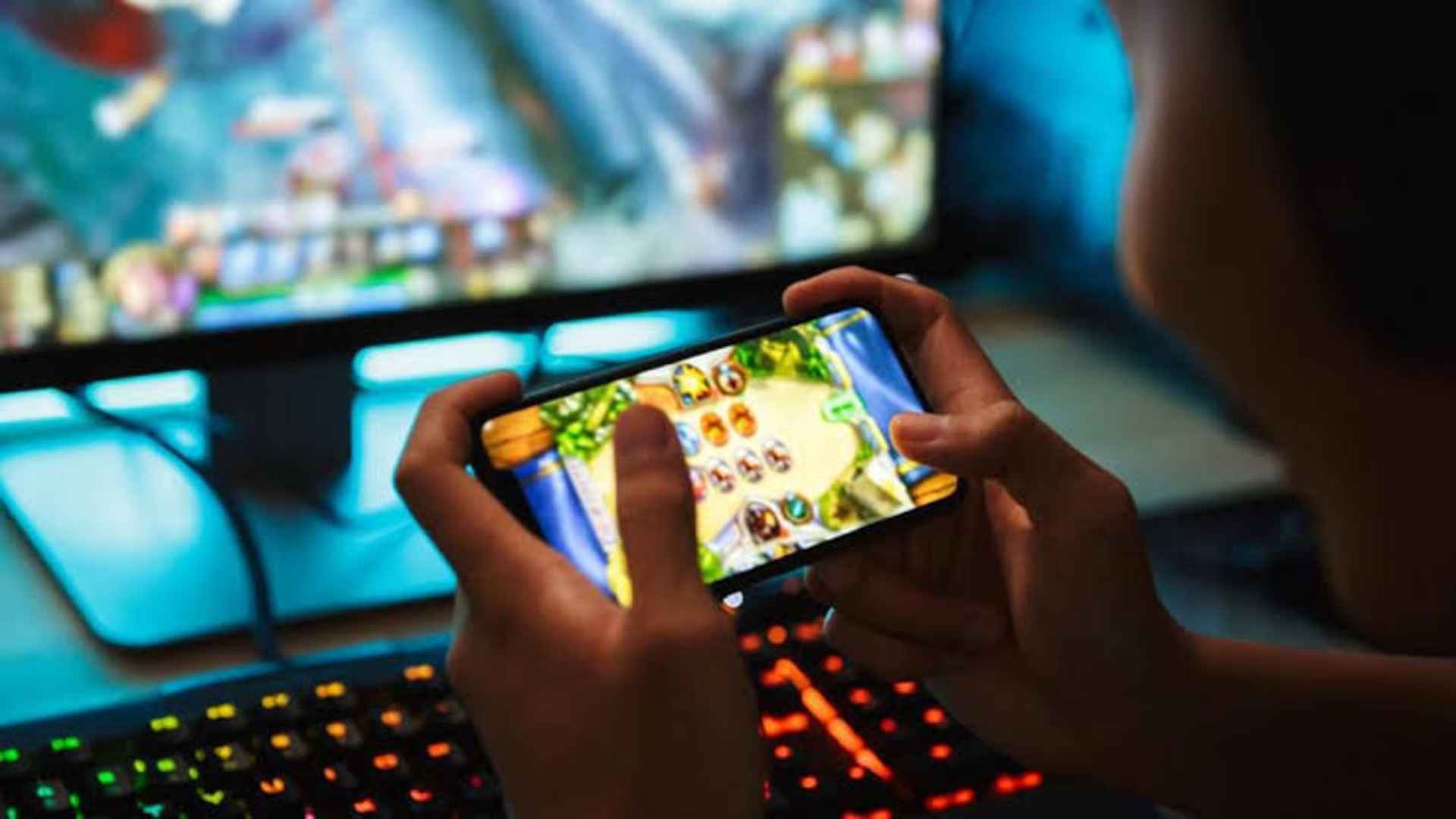
The modern gaming landscape has evolved significantly, shifting toward experiences that emphasize fluid collaboration and spontaneous alliances over rigid, pre-made team structures. Today, millions of players from all over the world can instantly connect and form cooperative bonds that adapt dynamically to shifting in-game challenges. This evolution allows for an unpredictable and deeply engaging virtual ecosystem where personal adaptability is key to achieving collective victory.
The Evolution of Fluid Alliances
Traditional cooperative gaming often required pre-arranged groups and static roles that rarely changed during an active session. However, contemporary multiplayer titles are introducing innovative mechanics that encourage spontaneous teamwork, allowing players to join forces seamlessly mid-match. This fluid approach ensures that every gaming session remains unpredictable and exciting, as participants must quickly assess the strengths of new companions.
These shifting alliances demand high levels of communication and mutual trust, as team configurations can change from one moment to the next. By removing the barriers of traditional lobby setups, developers are creating digital spaces where diverse playstyles can complement each other naturally. Consequently, players can experience a completely fresh gameplay loop every time they enter these evolving virtual worlds.
Enhancing Strategy Through Adaptability
Dynamic partnerships require a deep level of tactical versatility and cognitive flexibility from everyone involved. When team compositions change rapidly during intense combat, individuals must adapt their personal playstyles to complement their new partners instantly. This balance of skill development and real-time coordination tests both mechanical execution and strategic problem-solving under extreme pressure.
To explore modern digital platforms that support these diverse entertainment environments, players often check the m88 login terbaru to find updated systems and secure options. Utilizing these specialized digital hubs allows online communities to stay connected and engaged with the latest competitive developments. Developing these adaptive capabilities ultimately prepares enthusiasts for more complex tactical challenges across various gaming formats.
Building Trust in Virtual Spaces
The rise of adaptive matchmaking algorithms has completely transformed how social interactions occur within large online communities. Instead of relying solely on long-term guilds or familiar circles, players are learning to trust strangers and collaborate effectively within short operational windows. This shared reliance helps foster a much stronger sense of social cohesion across the global gaming community.
As individuals navigate these fast-paced digital environments, they develop critical interpersonal skills such as predicting ally movements and sharing valuable resources. These micro-interactions turn standard competitive matches into meaningful cooperative journeys that leave a lasting impact on the participants. Over time, these brief virtual connections can easily lead to long-lasting digital friendships built on shared triumphs.
The Future of Cooperative Mechanics
As network infrastructure and server technologies continue to advance globally, the potential for even more complex partnership systems grows exponentially. Future titles will likely feature highly responsive worlds that transform dynamically based on the collective choices of evolving player factions. This technological progression ensures that interactive entertainment remains deeply engaging for the next generation of gamers.
Developers are consistently looking for innovative design frameworks to reward active teamwork and incentivize positive behavior in these fluid environments. By prioritizing balanced gameplay mechanics and smooth connectivity, the industry guarantees a fair and enjoyable playing field for everyone involved. The future of online gaming belongs to those who can cooperate seamlessly anytime, anywhere, and with any team.