Tabletop gaming has transformed from simple dice-rolling pastimes into complex exercises that mirror real-world decision-making. Modern board games challenge players to manage limited resources, evaluate potential risks, and predict the actions of their opponents. Engaging regularly in these experiences prompts individuals to weigh long-term benefits against immediate gains, fostering a more analytical mindset.
The Cognitive Architecture of Modern Strategy Games
Every decision made at the gaming table requires a structured cognitive process that demands both focus and foresight. Players must analyze multiple variables simultaneously, calculating how a singular action might influence the final state of the board. This constant practice helps build a framework for logical reasoning that extends far beyond casual entertainment.
Furthermore, many design systems incorporate asymmetrical player setups, forcing participants to alter their tactics based on their unique conditions. This variation ensures that individuals cannot rely on repetitive strategies, prompting ongoing mental flexibility. Over time, navigating these shifting environments trains the brain to approach everyday complex obstacles with greater structural clarity.
Evaluating Risk and Reward Under Pressure
A vital component of sharpening analytical abilities involves assessing high-stakes outcomes while working within the framework of limited information. Strategic modern layouts frequently force players to choose between low-risk incremental progress or high-risk major advantages. Learning to accurately balance these options reduces impulsive actions and encourages deliberate planning under social competition.
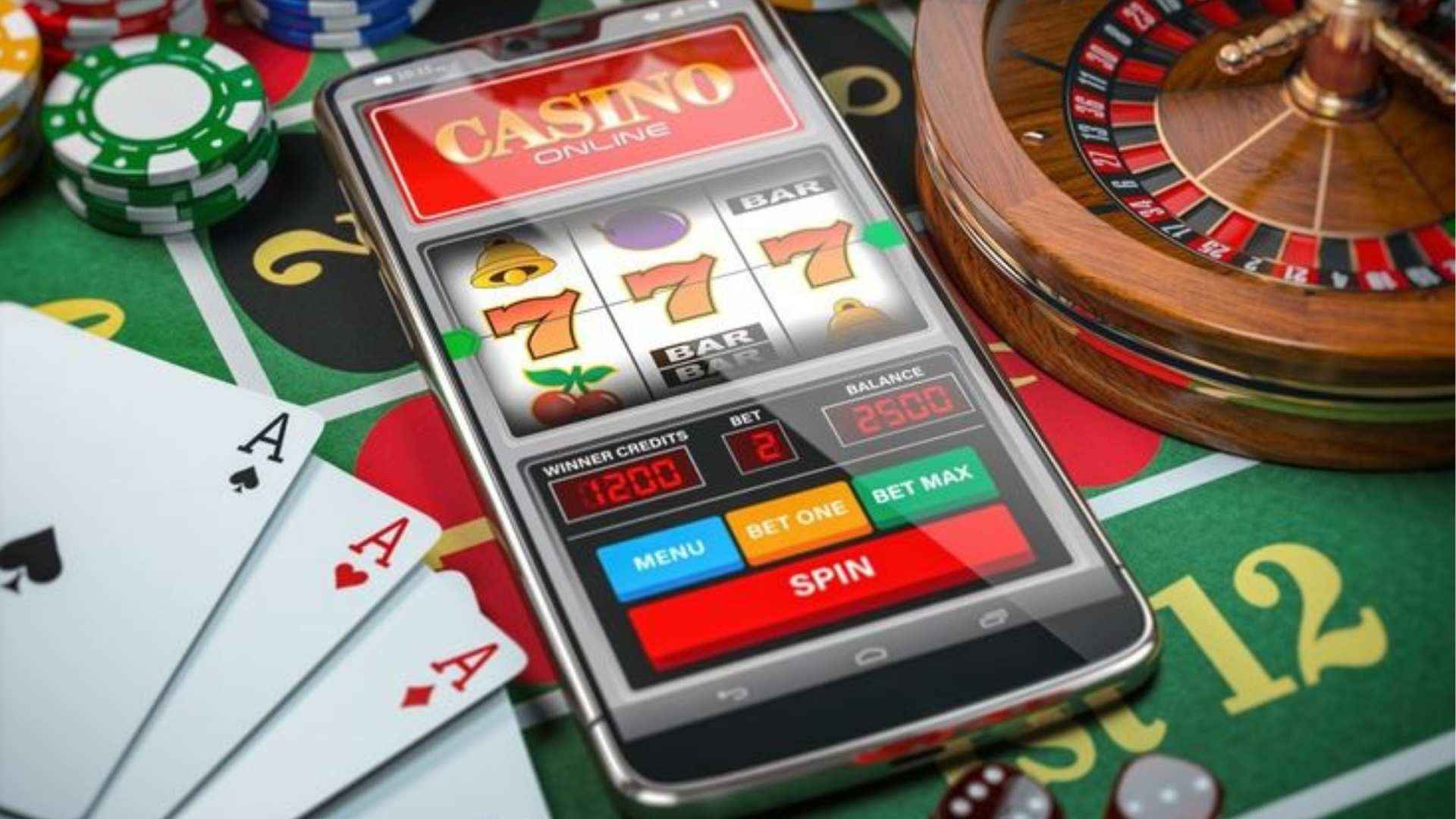
For individuals who enjoy exploring predictive behaviors in different environments, checking out platforms like M88 Bet offers an alternative way to observe probability and risk management in real time. However, the structured safety of tabletop simulations provides an unmatched space for learning from tactical mistakes. Experiencing a sudden mechanical loss teaches players to refine their methods for future attempts.
How Cooperative Play Enhances Group Decisions
Beyond personal advancement, collaborative physical games present unique environments where team coordination determines success. Instead of competing against friends, participants must pool their unique talents and communicate clearly to overcome a shared automated opponent. This dynamic shifts the focus toward collective problem-solving and shared accountability.
Working together in this manner highlights the importance of active listening and compromise when formulating an overarching blueprint. Group members learn to evaluate different suggestions objectively, identifying the most efficient solution for the current scenario. These experiences offer immense practical value for professional projects and community teamwork dynamics.
Building a Lasting Library for Thoughtful Entertainment
Curating a thoughtful home collection requires selecting titles that challenge different aspects of critical thinking and creative deduction. Including a diverse mix of economic simulations, tactical positioning maps, and fast-paced puzzle layouts ensures that your mind remains actively engaged across various formats. This conscious variety keeps the social experience fresh while continuously challenging your perspective.
Ultimately, investing in well-designed board games delivers extensive returns in both social fulfillment and personal development. Gathering around a physical table provides a healthy break from constant digital displays while building deeper connections with those around you. Selecting games that require strategic depth transforms an ordinary weekend into an active mental workout.